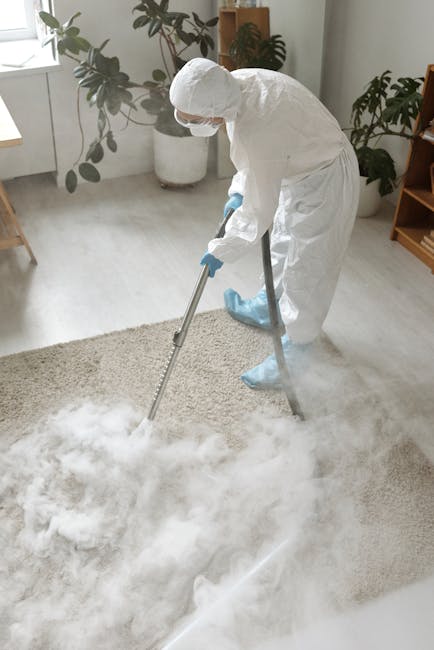
Cranbrook Estate Emergency Stain Removal and Cleaning
If a spill has just happened on your carpet, sofa, rug, mattress, or hard floor, the clock starts ticking straight away. Cranbrook Estate Emergency Stain Removal and Cleaning is about stopping a fresh mark from becoming a permanent one, and doing it without making the damage worse. In a real household, that might mean red wine on the lounge carpet at 8:15 pm, cooking oil on a hallway runner before guests arrive, or a pet accident on upholstery when you are already running late. Not ideal. But the right response in the first few minutes can make a huge difference.
This guide breaks down what emergency stain removal involves, how the process works, which mistakes to avoid, and when a deeper clean is the smarter choice. You will also find a simple checklist, a practical comparison of methods, and a no-nonsense FAQ section for the questions people ask when they are standing over a stain with a roll of kitchen towel in one hand.
Quick takeaway: blot first, do not scrub, test products before use, and if the stain is spreading, setting, or affecting delicate fabric, move quickly to a specialist approach.
Table of Contents
- Why Cranbrook Estate Emergency Stain Removal and Cleaning Matters
- How Cranbrook Estate Emergency Stain Removal and Cleaning Works
- Key Benefits and Practical Advantages
- Who This Is For and When It Makes Sense
- Step-by-Step Guidance
- Expert Tips for Better Results
- Common Mistakes to Avoid
- Tools, Resources and Recommendations
- Law, Compliance, Standards, or Best Practice
- Options, Methods, or Comparison Table
- Case Study or Real-World Example
- Practical Checklist
- Conclusion
- Frequently Asked Questions
Why Cranbrook Estate Emergency Stain Removal and Cleaning Matters
Emergency stain removal matters because stains do not sit still. They migrate, oxidise, dry in, and sometimes bond with fibres in a way that makes them far harder to remove later. On carpets, a fresh spill can wick down into the underlay. On sofas, moisture can push pigments deeper into the fabric. On hard floors, the danger is often not the stain itself but the residue left behind if the wrong cleaner is used. That residue can attract dirt and leave a dull patch that keeps catching the eye every time you walk past.
In Cranbrook Estate, where many homes and flats are lived in properly rather than treated like showrooms, everyday accidents happen. Coffee in the morning rush. Juice at breakfast. Mud near the door after a rainy walk. The moment can feel annoying, even ridiculous, but that is exactly why fast action matters. The faster you control the spill, the better the chance of saving the original finish instead of replacing it.
There is also the comfort factor. A fresh stain can make a room feel untidy even if everything else is clean. It is one of those tiny visual distractions that becomes mentally louder than it should. You notice it. Guests notice it. And if the stain is organic, such as food, milk, vomit, or pet mess, odour can follow. Nobody wants that lingering smell in a warm room on a damp afternoon.
For landlords, tenants, homeowners, and small businesses, emergency cleaning is not just about appearance. It can reduce long-term repair costs, protect surfaces, and help avoid avoidable disputes at the end of a tenancy or after a busy event. Truth be told, the cheapest clean is usually the one done promptly.
How Cranbrook Estate Emergency Stain Removal and Cleaning Works
Good emergency stain removal follows a simple logic: identify the stain, control the moisture, apply the right method, and then verify the result under proper light. That sounds straightforward, but the details matter. Different stains behave differently, and different fabrics react differently to moisture, heat, and detergents.
Professionally, the process often starts with a quick assessment. Is it water-based, oily, protein-based, dye-based, or something mixed? Has it already dried? Is the surface carpet, fabric, wool, synthetic fibre, vinyl, laminate, stone, or wood? A sensible cleaner does not rush in with one all-purpose product and hope for the best. That's how things go sideways.
For example, a wine spill on a synthetic carpet may respond well to careful dilution and controlled extraction. Grease on upholstery usually needs a different treatment because water alone will not break down the oil. Pet accidents are another category entirely because stain removal and odour control often need to work together, not as separate jobs. If you treat the visible mark but ignore the smell, the problem can come back on a humid day. Annoying, yes. Common, also yes.
Emergency cleaning can be part of a wider service too. If the stain has spread beyond the initial area, or if there is already general soil build-up, a deeper clean may be the better route. In practice, that may mean combining stain removal with carpet cleaning, upholstery cleaning, rug cleaning, or even steam carpet cleaning where appropriate. The right sequence usually matters more than the amount of product used.
Key Benefits and Practical Advantages
The main benefit is obvious: you save more of the original material. But the practical advantages go further than that. A well-handled spill is less likely to leave a halo, a faded ring, or a sticky patch that gathers dust. It is also less likely to leave a smell that hangs around after the room has been aired.
- Better stain recovery: Fresh marks are usually easier to lift before they bond to fibres.
- Lower risk of permanent damage: The right method protects dyes, pile, stitching, and coatings.
- Less odour: Particularly important for food, drink, urine, milk, and pet accidents.
- Cleaner finish: You avoid the patchy look that often follows over-wetting or harsh scrubbing.
- Faster return to normal: Useful after gatherings, rental turnovers, family emergencies, or business use.
There is another benefit people sometimes forget: peace of mind. Once the stain is properly dealt with, you stop staring at it every five minutes. The room feels settled again. That matters more than it sounds like it should.
For property managers and business owners, prompt stain treatment can support a cleaner first impression. In a shared building or working environment, that can be especially important alongside services like communal area cleaning, office cleaning, or commercial cleaning. People remember the small details. Sadly, they also remember the bad ones.
Who This Is For and When It Makes Sense
This kind of emergency cleaning is for anyone who cannot leave the mess until tomorrow. That sounds obvious, but it covers a lot of real situations.
- Homeowners: for sudden spills on carpets, sofas, rugs, curtains, or mattresses.
- Tenants: when a stain appears before an inspection or move-out.
- Landlords and letting agents: where quick intervention can protect the condition of a property.
- Families with children or pets: because accidents happen, and they happen fast.
- Businesses: especially reception areas, waiting rooms, offices, and guest spaces.
- Short-let hosts: when turnaround time is tight and presentation matters, as with Airbnb cleaning.
It makes sense to act urgently when a stain is fresh, spreading, smelly, or on a delicate material. It also makes sense when you are unsure what the stain is. A mystery mark from the back of a chair or under a dining table can be trickier than a normal spill because you do not know whether you are dealing with grease, dye transfer, or something organic.
If the stain has already dried and started to set, emergency cleaning can still help, but expectations should be realistic. The goal may shift from complete removal to significant reduction without harming the surface. That is honest, and honesty matters here.
Step-by-Step Guidance
Here is a practical approach you can use straight away. It is simple, but it works surprisingly well when followed calmly.
- Stop the spread. Use a clean cloth, paper towel, or absorbent pad to lift excess liquid. Blot from the outside in.
- Identify the stain if you can. Water-based, oil-based, protein-based, and dye-based stains each need different handling.
- Test a small hidden area. This matters on upholstery, rugs, and anything with colourfastness concerns.
- Use minimal moisture. Too much liquid can push the stain deeper or create a bigger mark than the original.
- Apply the right solution carefully. Gentle, targeted treatment is usually better than a strong, random one.
- Blot again. Lift the stain out. Do not rub in circles like you are polishing a shoe.
- Rinse where appropriate. If a product leaves residue, remove it so the area does not attract more dirt later.
- Dry properly. Airflow helps. A fan, open window, or dry towel can make a real difference.
- Check once dry. Some marks look gone while damp and return when dry. Sneaky little things.
If the item is a mattress, sofa, or curtain, keep moisture especially controlled. These surfaces absorb differently and can trap smells if overtreated. For stubborn upholstery or soft furnishings, specialist services such as sofa cleaning, mattress cleaning, or curtain cleaning may be the safer choice.
Expert Tips for Better Results
Over time, a few patterns stand out. The people who get the best outcomes are usually the ones who stay calm, act quickly, and avoid improvising too much. Easy to say, harder to do when there is a bright mark in the middle of the room. Still, it is true.
Use white cloths rather than coloured ones. You do not want transfer from the cloth becoming a second problem. That happens more often than you might think.
Work in stages. Small repeated treatments are safer than one aggressive attempt. If a stain is stubborn, let the area rest between passes rather than scrubbing harder.
Watch the edges. A stain can shrink in the centre but leave a faint ring at the perimeter. Those edges matter. They are often what makes a stain still visible from across the room.
Consider the material before the stain. Wool behaves differently from synthetic carpet. Velvet behaves differently from woven fabric. Hard floor finishes can also be sensitive to water and residue. If unsure, pause and think. Pausing is not failure.
Control odour as well as appearance. The best result is not merely "it looks okay now." The best result is "it looks right and smells fine too." For that reason, pet-related accidents often need a dedicated approach such as pet stain odour removal.
Use daylight if you can. A stain that seems invisible under warm indoor lighting may show up later near a window. Mid-morning light can be brutally honest.
Common Mistakes to Avoid
Most stain disasters are not caused by the original spill. They are caused by the panic after it. A few common mistakes come up again and again.
- Scrubbing too hard: This pushes the stain deeper and can damage fibres.
- Using too much cleaner: More product does not mean better results.
- Skipping a test patch: Especially risky on coloured fabric and delicate surfaces.
- Using heat too early: Heat can set some stains, particularly protein-based or dye-based marks.
- Mixing products: Never assume different cleaners will play nicely together. They often do not.
- Ignoring the underlay or backing: Surface looks better, smell returns later. Classic trap.
- Leaving residue behind: Sticky leftovers attract dirt and create a dull patch.
Another mistake is waiting too long because the stain does not look terrible at first. A faint coffee mark can become a stubborn shadow by evening. It is a little unfair, really, but the chemistry does not care. If a mark lands on a high-value item, a business surface, or anything sentimental, quick attention is the safer move.
Tools, Resources and Recommendations
You do not need a huge kit to deal with an emergency stain well. A few sensible tools will cover a lot of everyday situations.
- Clean white microfibre cloths or absorbent towels
- A dry spoon or blunt edge for lifting solids carefully
- Soft brush for aftercare on carpets or rugs
- Protective gloves if the spill is unknown or unsanitary
- Fan or open-window ventilation for drying
- Purpose-made stain treatment matched to the surface type
For deeper or broader cleaning after the initial spill, services like deep cleaning can help restore the overall appearance rather than just the visible spot. That is often the point when a room needs to look properly finished again, not merely patched up.
If the mess has affected an entire room or happened after decorating work, after builders cleaning can be relevant too, especially when dust and paint residue are part of the problem. Different kind of headache, same need for a careful approach.
For properties that are being prepared for handover, end of tenancy cleaning, move in cleaning, and move out cleaning are often the wider context in which emergency stain removal becomes urgent. The stain may be one item on a bigger checklist, but it is often the item that could cause the most stress.
Law, Compliance, Standards, or Best Practice
For most household stain jobs, the main concerns are safety, product use, and care for the material. In the UK, it is sensible to follow manufacturer instructions, use products as intended, and avoid creating slip hazards, especially on hard floors and stairways. If you are working in a rental, shared building, or business premises, you should also think about duty of care, safe access, and whether the cleaner or occupant may be exposed to irritants or strong fumes.
Good practice is straightforward: test first, ventilate well, keep people away from wet surfaces, and never mix chemicals unless the instructions explicitly say you can. That last point sounds basic, but it is one of those simple rules that prevents bigger problems.
For professional work, trustworthy companies should be clear about their insurance and safety, and should operate with sensible procedures around health, handling, and site awareness. If you are comparing providers, it is also worth reviewing their health and safety policy, terms and conditions, and privacy policy so you understand what is covered and what to expect. Nobody loves reading policy pages, fair enough, but they do tell you a lot about how the company works.
For residents and managers who want better transparency on service standards and pricing, pricing and quotes is usually the right place to start. In practical terms, that helps you decide whether you need a one-off intervention or a broader maintenance clean, such as regular cleaning or a one-off refresh. The best option depends on what is actually happening in the property, not just on the label.
Options, Methods, or Comparison Table
Not every stain needs the same response. Choosing the right method is mostly about matching risk to surface. Here is a simple comparison.
| Method | Best for | Strengths | Watch-outs |
|---|---|---|---|
| Blotting and spot treatment | Fresh spills on carpets, fabric, and rugs | Fast, low-cost, can stop spread quickly | Can fail if the stain has already set or if the wrong product is used |
| Targeted stain removal | Specific stains like wine, grease, food, or pet accidents | More precise, less waste, better for delicate materials | Needs correct stain identification and careful testing |
| Steam or hot water extraction | Carpets and some upholstery with deeper soiling | Helps remove residue and embedded dirt | Too much moisture can cause wicking, shrinking, or drying issues |
| Specialist odour treatment | Pet mess, milk, vomit, organic spills | Targets smell as well as visible marks | Usually needs more than a simple surface wipe |
| Full room clean | Wider contamination or general dullness | Uniform finish across the whole area | May be more than you need for a single fresh stain |
If the issue is mainly fabric-based, the right choice may be a blend of upholstery cleaning and stain treatment. For hallway runners and decorative pieces, rug cleaning can be a better fit than a general carpet method. Matching the method to the item is where the good results usually come from.
Case Study or Real-World Example
Picture a common evening scenario. Someone in a Cranbrook Estate flat knocks over a glass of dark fruit juice on a beige rug just after dinner. The spill is small, but the dye starts to spread in an uneven oval shape. Within a minute or two, the first instinct is to rub at it with kitchen towel. That lifts some liquid, but it also smears the colour slightly. Not a disaster, but now the mark is wider.
The better response is to blot the area steadily with a clean dry cloth, work from the outside in, and use only the lightest amount of suitable cleaner after a test patch. If the rug is wool or the backing is delicate, it may need to be left for a specialist rather than pushed through a DIY guess-and-hope routine. In many cases, the visible stain can be reduced dramatically, and the edge ring can be softened by careful follow-up rather than force.
We have seen similar situations with sofa arms, where a tea spill looks minor at first, then dries into a pale shadow by the next morning. The difference between a quick, careful response and a rushed one is often surprisingly large. Small accident. Big annoyance. Simple as that.
Practical Checklist
Use this when a stain first appears. Keep it calm and practical.
- Act straight away if possible
- Blot, do not scrub
- Identify the stain type if you can
- Test a small hidden area first
- Use the least moisture needed
- Avoid heat until you know the stain is safe to treat
- Check for rings, residue, and odour after drying
- Escalate to a specialist if the stain is spreading or delicate
- Consider whether the wider area also needs cleaning
- Document damage if the property is rented or managed on behalf of someone else
And one tiny but useful tip: take a photo before you touch the stain if it matters for tenancy, insurance, or a landlord conversation. It is a boring habit. Also a useful one.
Conclusion
Cranbrook Estate Emergency Stain Removal and Cleaning is really about fast judgment, calm handling, and knowing when a spot is still a spot versus when it is turning into a larger cleaning job. The best results come from acting quickly, using the right method for the material, and resisting the urge to attack the stain with whatever is under the sink. That urge is very human. Not always helpful, though.
Whether you are dealing with a fresh spill on a carpet, a mark on upholstery, or an awkward stain before a property handover, the sensible path is usually the same: stop the spread, treat carefully, and check the result properly once dry. If the issue is bigger than a surface mark, a deeper clean can save time, stress, and avoidable damage. And that, in the end, is the real win.
Get a free quote today and see how much you can save.
When a stain catches you off guard, take a breath, handle it step by step, and give yourself a little credit. Most messes can be managed better than they first look. Honestly, that's often half the battle.
Frequently Asked Questions
What should I do first after a fresh spill on carpet or upholstery?
Blot the area immediately with a clean white cloth or towel to lift as much liquid as possible. Work from the outside in so the stain does not spread. Avoid rubbing, because that usually drives the mark deeper into the fibres.
Can I use hot water on every stain?
No. Hot water can help with some marks, but it can also set protein-based or dye-based stains. If you do not know what caused the stain, start cautiously and avoid heat until you are sure it is safe.
Why do some stains come back after drying?
That is often caused by wicking, where moisture pulls hidden residue up from deeper in the pile or backing as the area dries. It can also happen if the product was not fully removed. Proper drying and extraction help reduce that risk.
Is emergency stain removal different from general cleaning?
Yes. Emergency stain removal focuses on a specific fresh or fast-moving problem, while general cleaning covers broader dirt and maintenance. Sometimes both are needed together, especially if the stain has spread or left residue.
Should I try to remove a pet stain myself?
You can blot the area carefully at first, but pet accidents often need more than a surface wipe because odour can linger. If the smell or mark remains, specialist treatment is usually the safer option.
How do I know if a stain is too risky for DIY treatment?
If the item is delicate, valuable, dyed, antique, or already damaged, a cautious approach is wise. The same applies if you are unsure of the stain type or if the area has a backing or finish that may react badly to moisture.
Will stain removal damage my carpet or sofa?
It can if the wrong product or method is used. That is why testing in a hidden area, using minimal moisture, and matching the treatment to the material are so important. Careful work lowers the risk a lot.
How long does it usually take to treat an emergency stain?
It depends on the stain, the surface, and whether it is fresh or already dry. A small fresh spill may be dealt with quickly, while a deeper or older stain can take longer and may need follow-up once the area has dried.
Do I need a full carpet clean after one stain?
Not always. If the rest of the carpet is in good condition, targeted stain removal may be enough. If there is general dullness, residue, or multiple marks, then a broader service such as carpet cleaning or steam carpet cleaning may be more effective.
What is the safest way to dry a treated stain?
Use airflow rather than heat. Open a window, use a fan, and keep the area clear until it is fully dry. On soft furnishings and rugs, make sure the backing and underlayer are drying too, not just the surface.
Can emergency stain removal help before a tenancy check-out?
Yes. Quick treatment can reduce visible damage and help a property look better for inspection. If several areas need attention, it may be worth combining spot treatment with move out cleaning or end of tenancy cleaning for a more consistent result.
What if the stain has already dried?
You can still try to treat it, but the chance of a perfect removal is usually lower. Dried stains often need more careful methods and sometimes a specialist clean to reduce the mark safely without harming the fabric or finish.